
By Dr. Bill Seiler, ShoreUp Physical Therapy
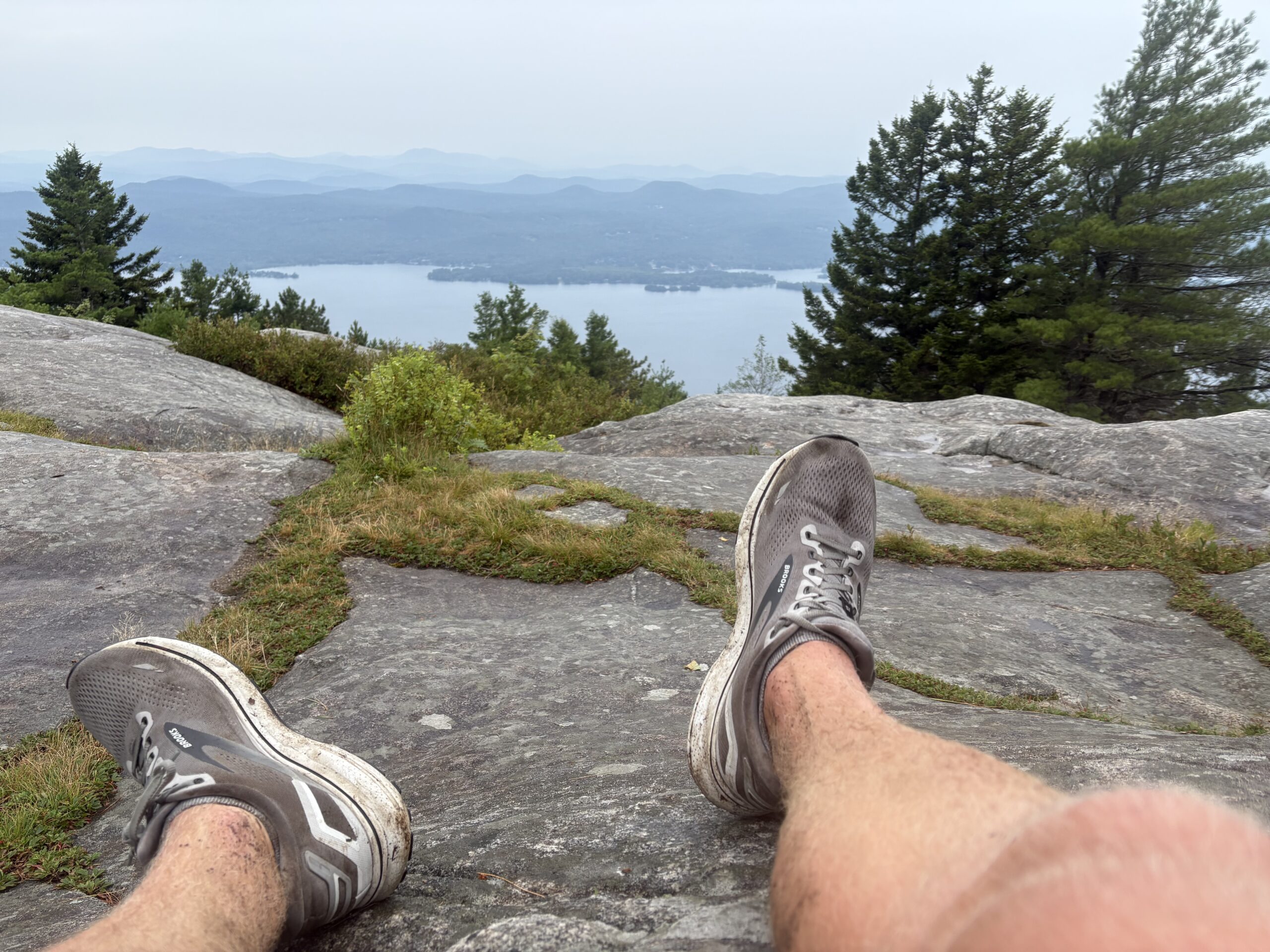
Every July I run up a mountain.
It’s not incredibly far at roughly 3.5 miles, but the 2,000+ feet of relentless elevation gain make for a brutal experience. Not only do I run up the mountain, I do it as fast as I possibly can, risking life and limb chasing a new personal record every single year.
To be completely honest with you? It’s a miserable experience and I dread the effort.
Each year I am tempted to find a convenient excuse to back out. I hope for a rain shower or a tight muscle, or maybe that my kids are sick (only kidding). But, I also know that when I finally cross that finish line and get that “mountaintop experience,” I feel accomplished in a way that is almost impossible to replicate in everyday life.
For years, I just assumed this kind of voluntary suffering was good for my soul. I went against the grain, challenged my limits, and forced some grit into my character. Even before I knew the data, I could feel that the mountain was making me a more resilient person.
As it turns out, that may be true.
The Science Behind Grit
In his popular book, The Comfort Crisis, Michael Easter highlights how modern culture has systematically eliminated hard things. For many, gaining comfort has become the ultimate goal of life, right? Get rich, retire to a beach, and push the “easy button.” However, that easy life may actually be contributing to poorer overall physical and mental health. So, what happens when we intentionally engage in uncomfortable activities?
Researchers are finding that intentionally choosing “healthy hard” may actually aid in preserving brain function and combatting age related decline. On his podcast, The Huberman Lab, Dr. Andrew Huberman highlighted the neuroscience behind this concept. It all centers around a specific brain structure called the Anterior Midcingulate Cortex (aMCC).
While the neuroscience is complex, the takeaways for our daily lives are simple enough:
- Go Against the Grain: Engaging in activities that are perceived as difficult or unpleasant creates higher brain activation than doing things that come easy.
- Withhold from Easy: Resisting a temptation or withholding from an easy reward trains the same brain pathways as pushing through a difficult task.
- Mood and Memory Boost: Building up the aMCC brain region may combat age related cognitive decline, preserve memory, and act as a shield against brain aging.
- Find Motivation: A larger, healthier aMCC correlates with reduced apathy (the lack of desire to do things) and may increase your natural drive to exert effort in other areas of life.
- Aging: Neuroscientists have found that “Superagers”, older adults who maintain the sharp memory of young adults, possess an aMCC that hasn’t shrunk. It is just as thick as a young adult’s brain.
- Train the Brain: Regular cardiovascular exercise maintains and potentially increases overall brain volume.
Finding Your Own “Healthy Hard”
You don’t have to run up a mountain to get these benefits. The beauty of the aMCC is that it appears to care about friction, not the specific activity.
Building your own tenacity may be as simple as starting a new exercise routine, plunging in some cold water, participating in a physical challenge, sticking to a whole food diet while avoiding the easy snack drawer, learning a new language, or standing up to do some public speaking.
The only catch? It has to be something you actually have to force yourself to do.
A quick disclaimer: The goal here is “healthy hard.” We want to avoid developing unhealthy behaviors like obsessive over-exercising or dangerous dieting in the name of building grit. There is a massive difference between building resilience and causing self destruction.
The next time you face something you dread, don’t back out. Step into the friction.
Do it for the grit—or just for the health of it!
Sources:
The Neuroscience of Tenacity: Touroutoglou, A., et al. “The Tenacious Brain: How the Anterior Mid-Cingulate Contributes to Achieving Goals.” National Institutes of Health (NIH).
Superaging & Brain Health: Sun, F. W., et al. “Youthful Brains in Older Adults: Preserved Neuroanatomy in Superaging.” The Journal of Neuroscience / PubMed.
Podcast Episode: Huberman, Andrew. “How to Increase Your Willpower & Tenacity.” Huberman Lab Podcast via YouTube.


